
 English
 Français
 Deutsch
 Italiano
 Русский
 Español
 简体中文
简体中文 हिन्दी
 日本語
日本語

In a world where it feels like a new AI tool is launched every week, there’s been a lot of talk about which jobs are at risk of being replaced by machines. We’ve seen the headlines: “AI to take over the office,” or “The end of the traditional desk job.”
But if you work in the trades, the story is very different.
While digital roles face uncertainty, the demand for physical, hands-on expertise is actually accelerating. Data from the Bureau of Labor Statistics (BLS) and global labour trends show that the physical world is where the most reliable growth is happening.
Here is why your skills are officially “future-proof.”
The numbers don’t lie: Trades are in demand
While AI might be writing code, it can’t wire a smart home or fix a burst pipe. The data proves that the world needs more skilled pros, not fewer:
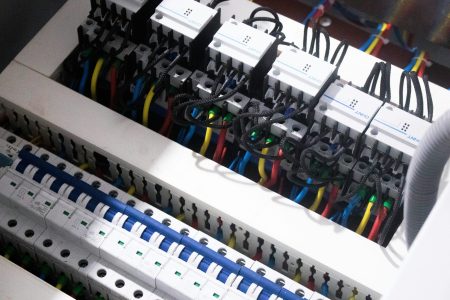
Electricians: Demand is surging as we move toward green energy and electric vehicles. Employment for electricians is projected to grow 6% from 2024 to 2034, much faster than the average for all occupations.
Carpenters: As the housing market evolves and infrastructure needs grow, the BLS projects a 4% job growth through 2034. This equates to roughly 74,100 openings projected each year this decade.
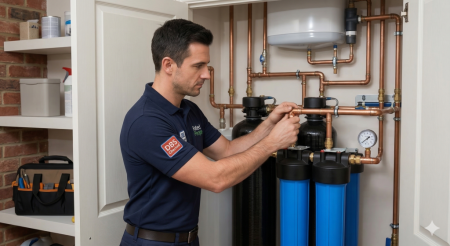
Plumbers: With aging systems and a shift toward sustainable water tech, employment for plumbers, pipe fitters, and steamfitters is projected to grow 2% through 2034, ensuring a steady stream of work driven largely by replacement needs.
Construction: The complexity of the real world
AI thrives in predictable, digital environments. The UK construction industry is the exact opposite. Every site is different, every extension has its own quirks, and the physical environment changes by the hour.
Navigating a tight crawl space, adjusting a structural beam based on real-time sensory feedback, or reacting to a sudden change in the weather requires manual skills and spatial awareness that software simply cannot replicate. A computer might help a builder with a 3D floor plan, but it won’t be the one laying the bricks or pouring foundations in a rainy Autumn.
Installation & repair: Built on human problem-solving
If an AI encounters a problem it hasn’t been programmed for, it stalls. If a plumber or electrician encounters a bodge job from forty years ago, they use intuition, years of experience, and creative problem-solving to find a fix.
Repair work is rarely a straight line. It requires:
- Tactile feedback: Feeling the tension in a wire or the specific vibration of a boiler.
- Adaptability: Dealing with unknowns that only appear once you’ve started the job.
- Customer trust: Homeowners want a human to explain why their heating is down, not a bot.
Grounds maintenance: Nature doesn’t follow a script
You might have an automated lawnmower at home, but that isn’t grounds maintenance. Managing a living, breathing landscape requires an understanding of biology, seasonal shifts, and aesthetic judgment.
From tree surgery that requires complex rigging and split-second safety decisions to identifying specific pests or soil deficiencies, nature is too chaotic for current technology to manage. Your eye for detail and ability to adapt to the changing seasons are your greatest competitive advantages.
The human advantage: Why your profile matters
Evidence suggests that as AI becomes more common in offices, the value of physical expertise and interpersonal trust will actually skyrocket.
Homeowners aren’t looking for an algorithm; they are looking for a verified, insured, and skilled human being they can trust with their most valuable asset: their home.
The bottom line
Technology is a tool, not a replacement. It might help you automate your invoices or manage your leads on Rated People, but it will never pick up a trowel or a wrench.
Your skills are unique, the data shows your industry is growing, and your experience is irreplaceable.
Ready to show homeowners why your skills are irreplaceable? Update your Rated People profile today and start winning more work in your local area.
Read the full article here