

 English
 Français
 Deutsch
 Italiano
 Русский
 Español
 简体中文
简体中文 हिन्दी
 日本語
日本語
Key Points
- Drain hoses, winterize spigots, and service the HVAC system to prevent plumbing and heating problems.
- Clean the gutters, trim nearby tree branches, and winterize outdoor power equipment.
- Prepare the yard and garden then head inside to seal gaps and cracks around windows and doors.
Winter can arrive quickly, bringing freezing temperatures, snow, and ice that can cause serious damage to an unprepared home. Problems like frozen water lines, broken spigots, ice dams, and fallen branches are common when basic seasonal maintenance is overlooked.
Contractors, however, know exactly how to prevent these issues because they understand how a home functions from the inside out. To learn which tasks matter most, we asked a seasoned contractor how they prepare their own home for winter—and how their expert habits can help you protect your home, too.
Meet the Expert
Michael Tellone is a contractor and the President of Best Roofing Westchester.
Drain and Winterize Outdoor Hoses and Faucets
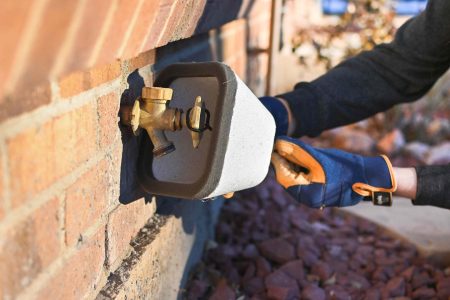
Freezing temperatures put any exposed plumbing at risk. The water inside hoses and spigots can freeze, which causes the water to expand and put pressure on the inside of the plumbing. This ice can rip through the inside of a rubber hose, but it can also damage internal faucet components or even crack the actual metal plumbing.
“Drain your hoses, disconnect them, and store them indoors for the winter before the temperatures freeze,” says Michael Tellone, Contractor and President of Best Roofing Westchester. “If you have an outdoor water faucet, turn off the isolation valve to the faucet and make sure you drain any left over water as it can freeze and expand.”
Want more home reno project tips and inspiration? Sign up for our free daily newsletter for the latest how-tos, reno guides, and more!
Don’t Miss
Winterize Outdoor Power Equipment
Outdoor power equipment, like your lawnmower, leaf blower, or trimmer, should be cleaned and drained of all fuel before the winter season. These tools can then be put into a shed, carport, garage, or even your basement to keep them safely stored during the winter season so that the freezing temperatures, snow, and ice do not cause damage to the equipment while it is not in use.
You should also take this opportunity to set up and prepare your snow clearing equipment. Keep a shovel and a container of salt or ice melt near the front door, and prepare your snowblower for tackling heavier snowfall so that you can start clearing the driveway and walkway as soon as possible.
Clean the Gutters
It gets far more dangerous and difficult to clean your gutters after the snow starts to fall because the snow and ice can freeze the water and leaves in the gutters, making it harder to remove the debris. The snow and ice can create slippery surfaces, so it becomes hazardous to climb up on a ladder or even overextend yourself while standing on the ground. For this reason, it’s essential to clean the rain gutters and downspouts before winter weather hits.
If you neglect the gutters, this can increase the risk of ice dams forming, preventing proper drainage, which may lead to the roof getting damaged, water overflowing and seeping into the foundation, or water leaking under the shingles and through the roof.
Tellone recommends that you “get your gutters professionally cleaned. Leaves and twigs fill the gutters from the fall, and that buildup can lead to ice dams, blockages, and serious damage.”
Prepare the Yard and Garden
Snow and ice will quickly cover up the lawn, garden, patio, deck, walkways, and the rest of the yard, so it is recommended to finish cleaning up and preparing the yard and garden before the winter season.
This should include raking up leaves, doing one final mow before the first frost, removing any dead plants, and tidying up the landscape so that there aren’t any hidden lumps, bumps, or dips that could be hazardous in snowy weather. Additionally, you should put away all your yard tools, outdoor furniture, and any appliances, like your barbecue.
Inspect and Service the HVAC System
The HVAC system is essential for keeping the home warm and comfortable during the winter months, which is why it is highly recommended to have the system serviced once a year just before winter. This will allow the HVAC tech to identify any potential problems, make repairs, replace the air filter, and give the system a tune up so that it is operating as efficiently as possible throughout the winter.
“Get your boiler or furnace serviced to extend its lifespan and make sure you have reliable heat when it’s cold to prevent the pipes from freezing,” Tellone says. “$200 for a tune-up can save you thousands when you avoid frozen pipes.”
Trim Nearby Trees
Trees can get worn out and weakened by snow and ice during the winter months, which can cause branches to bend, break, and fall. While it isn’t a big deal for a few smaller branches to drop off due to a blizzard or an ice storm, if a larger branch falls, it could cause significant damage to the yard, garage, shed, or home.
“Look around your house for trees that are hanging over your roof,” Tellone says. “When snow falls, it makes the tree limbs extremely heavy and they can fall on your home. Trim those limbs for your family’s safety.”
If you aren’t comfortable with trimming the tree yourself, it’s worth it to call in a pro to trim the tree, rather than risking damage to your house.
Seal Gaps and Cracks Around Windows and Doors
Gaps and cracks can form around the windows and doors of the home. When this occurs, heat can be lost through these openings, forcing the HVAC system to work harder as heat escapes to the outdoors, and ultimately driving up the cost to heat your home.
“Check for drafts around your doors/windows and seal them,” Tellone says. “This one isn’t critical, but helps with comfort and energy savings.”
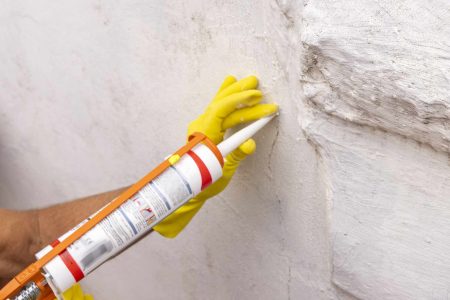
You can typically seal these gaps and cracks with caulking or by installing weather stripping, which is relatively affordable and easy for most DIYers to manage on their own.
Read the full article here