

 English
 Français
 Deutsch
 Italiano
 Русский
 Español
 简体中文
简体中文 हिन्दी
 日本語
日本語
Key Points
- Pros recommend offsetting about 10 to 15% of your project budget for unforeseen circumstances.
- Unexpected costs include permitting, inspections, and changes to your design plans.
- Material delivery, waste disposal, clean up, and living expenses are also often overlooked.
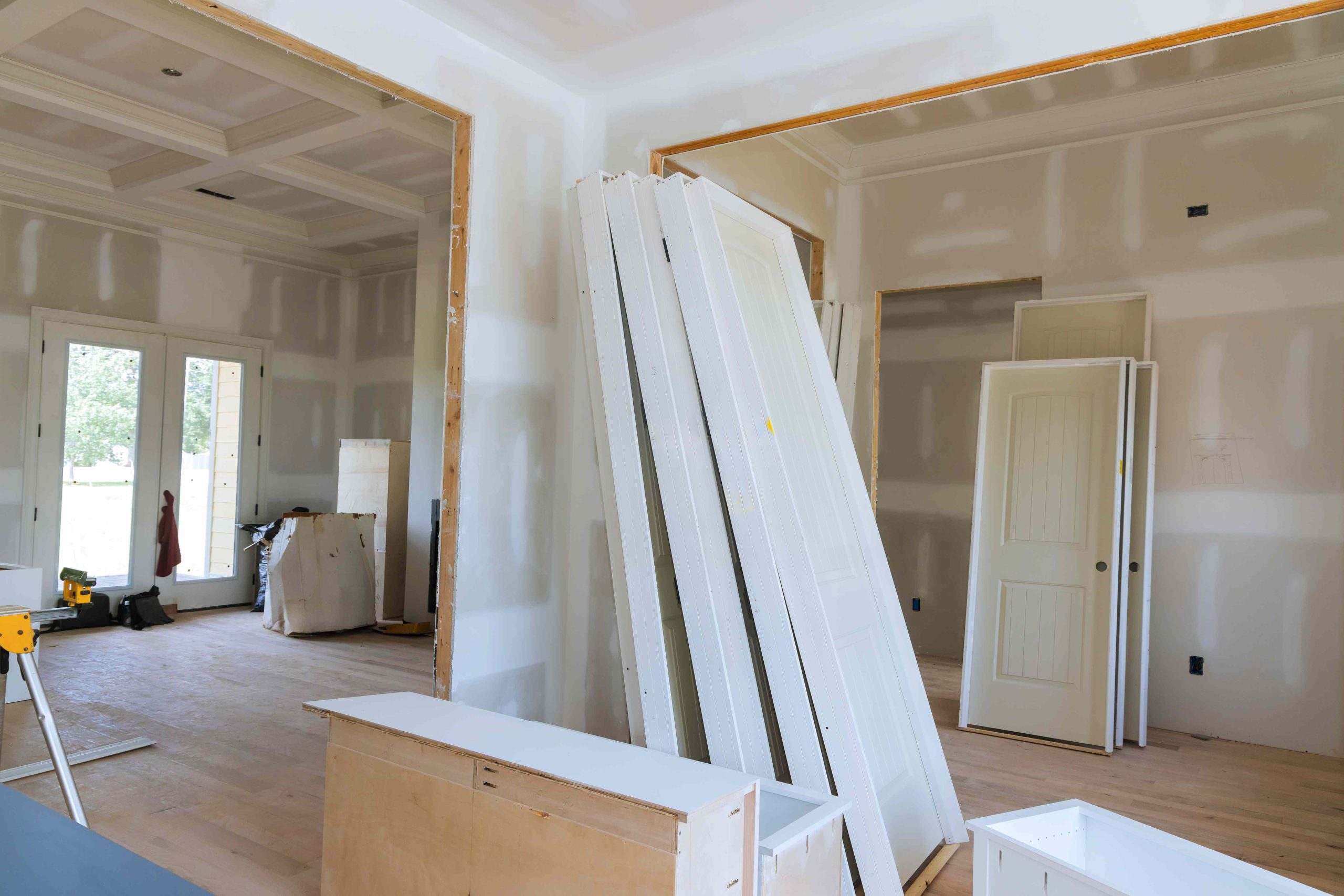
For a home reno project, especially a whole-home renovation, “it’s a good idea to mentally offset 10 to 15% of the total project budget for unforeseen circumstances,” residential contractor Dylan Murray of Murray Craft Builders says.
This is because unexpected costs relating to permits and codes, orders, delivery, and disposal add up. We asked contractors who do home builds on a daily basis what reno costs homeowners often forget to budget for.
Here’s what might quietly eat away at your budget—and how you can be prepared.
Meet the Expert
- Dylan Murray is a Residential Contractor and Owner of Murray Craft Builders.
- Tom Labelle is a Red Seal Carpenter and the Founder of Stillwater Custom Homes.
Permits and Inspections
Fees for local permits and required inspections for electrical, plumbing, and structural changes, can accumulate over time and can even cause costly delays if inspections are failed.
“Some towns and counties have a very stringent process for approvals with zoning, architectural and planning boards, especially if you need a variance,” Murray explains. “The administration costs can add up, so make sure you speak to your architect to get a good understanding of the approval process, timing and cost.”
Don’t Miss
Code-Mandated Upgrades
Contractors may uncover old infrastructure that needs to be updated for the renovation to pass inspection. “Especially in older homes, potential unforeseen circumstances can end up resulting in necessary fixes that will throw off your project’s budget,” Murray says.
This is often the case with outdated wiring or plumbing that needs to be replaced to meet current building codes.
Unforeseen Repairs
Even if they aren’t code violations, there could be “a whole slew of potential [repairs needed] resulting from shoddy past renovations or just age,” Murray says.
Murray notes that “once you start demo, there could be structural issues, plumbing problems, termite damage,” and more.
Building a buffer into your project budget to account for any repairs that may need to be made to the home is essential. Ideally this buffer won’t be necessary, but it’s better to be prepared.
Material Delivery
“Some of the most common overlooked costs include material price changes or delays,” Tom Labelle of Stillwater Custom Homes says.
The cost to have building materials delivered to your address, especially for large or specialty items, can be significant.
Similarly, if certain required materials are delayed, then the renovation project may end up being delayed as well, which could increase the labor costs for the job.
Design Changes
John Keeble / Getty Images
Because renovations take a long time, you might see a new material in a store or inspo photo somewhere along the way and be tempted to alter your design plan. But making changes to the plan late in the game is rarely, if ever, a good idea for your budget. ”
Once you have your plans approved, it’s important to limit any changes to the original scope,” Murray says. “Any changes to approved drawings will result in change orders, cost overruns, and time delays.
If contractors have to remove items or features that they have already installed, it will also increase labor costs for the job.
Waste and Debris Disposal
You should not overlook the costs associated with dumpster rentals, waste hauling, and disposal of old materials.
These costs can quickly add up for large-scale renovation jobs that require a substantial amount of demolition, so it’s best to go over the potential waste and debris disposal costs with your contractor ahead of time.
“A structured pre-construction process helps surface many of these costs before construction begins,” Labelle says.
Post-Construction Cleaning and Landscape Repair
Once the project is done, you might forget about the time and costs associated with cleaning up the home and making any repairs to the landscape, such as laying new sod to replace lawn that was damaged by heavy vehicles—and chances are, you’ll want this done quickly so the revamped look can be complete.
“Ultimately, costs like these are less about homeowners shopping around for the lowest number from a contractor, but finding a contractor who is open, communicative, and realistic about potential costs,” Labelle says.
Alternate Living Arrangements
If your construction project makes your sleep space or kitchen unlivable, you might have to stay in a hotel for a bit or even a rental.
“Living-related costs are often underestimated because they fall outside the construction contract,” Labelle explains.
Follow Us On
Google
He notes that this can also include increased dining out expenses when kitchens are unusable, pet boarding, and storage unit costs.
Read the full article here