

 English
 Français
 Deutsch
 Italiano
 Русский
 Español
 简体中文
简体中文 हिन्दी
 日本語
日本語
Key Points
- Upgrades that are both practical and good-looking usually offer the best value.
- Going too fancy or too personalized can hurt your return when it’s time to sell.
- Boosting curb appeal makes the whole house feel more inviting and can pay off big.
After building home equity or padding their savings, many homeowners begin considering home upgrades and renovations to enhance their home’s beauty and functionality, with hopes of increasing its value along the way.
While dreams of luxury kitchens, spacious additions, and modernized bathrooms often come to mind, thoughtful homeowners prioritize the best upgrades that add the most value to a home.
Below, we’ve consulted professional contractors and real estate experts about the four best upgrades that add value, and they’ve given us their best tips for squeezing the most value out of your renovation project.
Meet the Expert
- Hans Ingram is a Real Estate Expert and Partner at JSM Project Management.
- Thomas Borcherding is Owner & Lead Designer at Homestar Design Remodel.
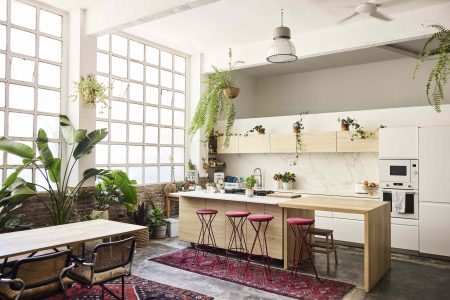
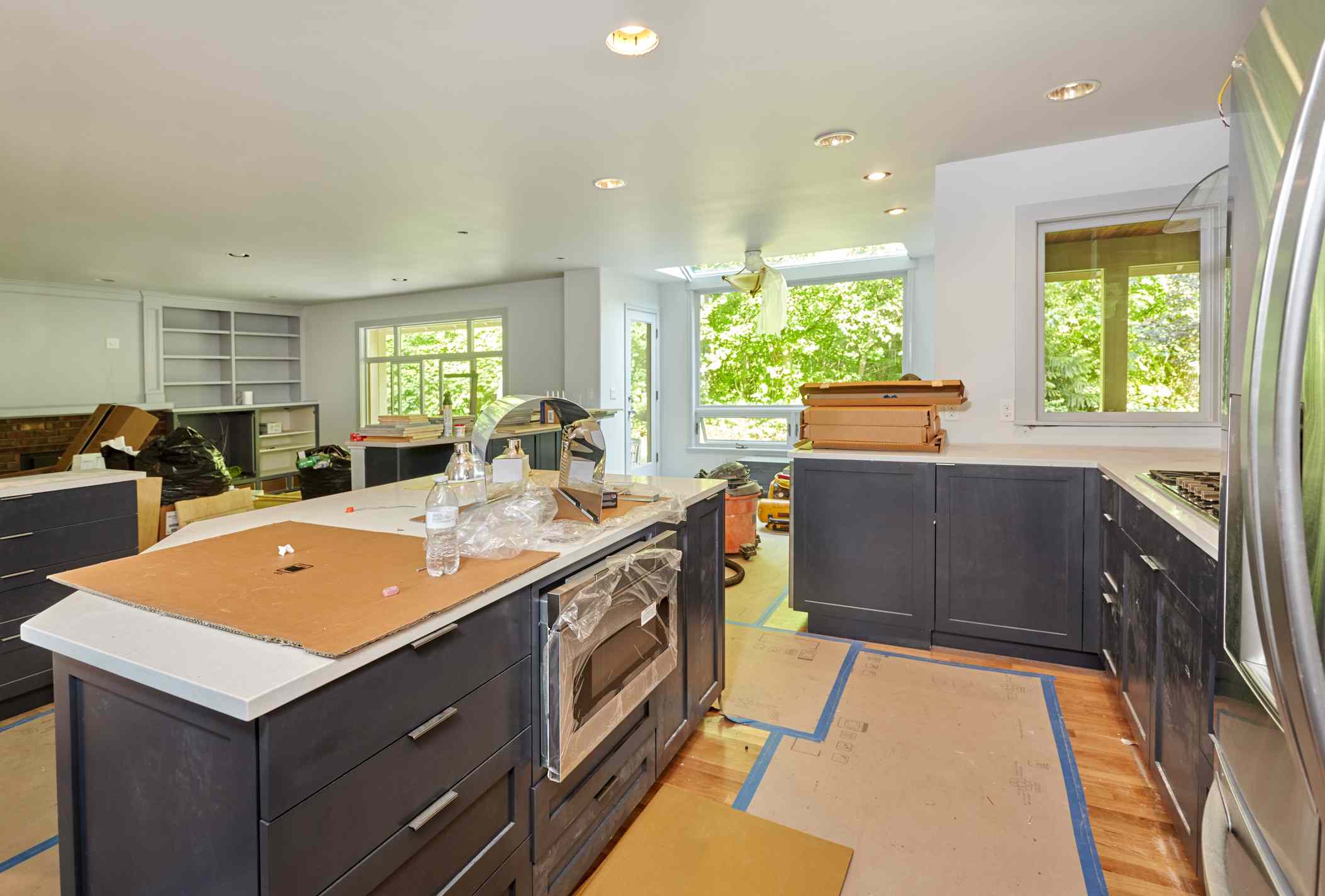
Kitchen Update
Hans Ingram, a real estate expert and Partner at JSM Project Management, says kitchen renovations are a consistent high-ROI home upgrade, but with one major caveat.
“Over-customization kills your returns,” he explains. “Buyers want quality appliances, solid countertops, and functional layouts, but that $15,000 custom range you’ve been eyeing? It’s not going to move the needle when you sell.”
To potentially increase your returns during a kitchen renovation, Thomas Borcherding, Owner and Lead Designer at Homestar Design Remodel, suggests reaching out to a local cabinetry dealer, as it could lead to discounts of up to 50% off MSRP.
Additionally, he notes that many of these companies offer free in-house design services, which can further reduce your overall cost.
Want more cleaning and organizing tips? Sign up for our free daily newsletter for the latest hacks, expert advice, and more!
Don’t Miss
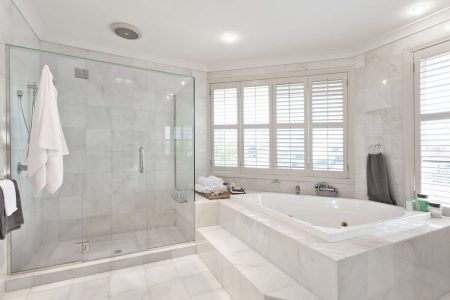
Bathroom Update
Ingram notes that bathroom updates deliver similar returns to kitchen renovations, averaging around 60% to 70% return on investment.
“Buyers notice outdated bathrooms immediately, and frankly, for many, it’s a dealbreaker that affects their entire offer,” Ingram says. “Modern fixtures, better lighting, and neutral tile choices make a huge difference without breaking the bank.”
Borcherding notes that keeping your bathroom upgrades simple can prevent unnecessary relocation of utilities like electrical and plumbing, thereby drastically reducing your costs.
Curb Appeal Enhancements
While many homeowners are focused on upgrades that enhance the livability of their homes’ interiors, Ingram says people are often surprised by how much curb appeal matters.
“A new garage door can return 90-95% of its cost, one of the highest ROI improvements you can make,” he offers.
In addition, he recommends fresh landscaping and updated front doors that create a “crucial positive first impression that colors everything a buyer sees afterward.”
Energy-Efficiency Upgrades
In a world where utility prices are increasing year over year, energy-conscious home buyers are more concerned than ever about the energy efficiency of their potential home purchase. This makes energy-efficiency upgrades a great selling point.
“New windows, better insulation, and modern HVAC systems used to be afterthoughts, but now they’re becoming expected features,” Ingram says. “People care about their utility bills.”
Borcherding emphasizes that some energy-efficiency upgrades double as curb appeal enhancements, such as upgrading windows or the front door, giving homeowners the best of both worlds.
Just like with cabinets, he recommends skipping the larger replacement window companies and sourcing windows from smaller local window contractors whenever possible to get the best possible deals.
The Worst ROI Home Upgrades
While the upgrades above may lead to hefty returns, these are the home upgrades you should skip if you’re looking to get the most return on your investment.
- Pool installation. Ingram says that pools rarely pay off in most markets.
- Luxury remodels. Just like pools, luxury overhauls of any sort rarely return much of the investment. “Any improvement that makes your home significantly nicer than the neighborhood average usually underperforms,” Ingram says.
- Sunrooms. Sure, sunrooms are beautiful. However, they’re costly to maintain, most of them are energy hogs, and they simply don’t appeal to your average buyer.
- Wallpaper. Wallpaper has been having a design moment for several years now, and for good reason. It can really beautify an interior if done well. However, patterns come and go quickly, and they rarely appeal to buyers, who largely view wallpaper as something they’ll have to remove.
Read the full article here